
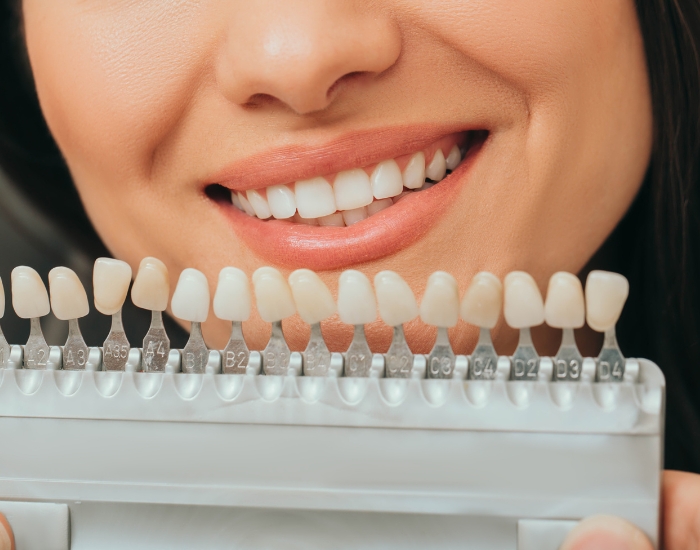
Your canine teeth (cuspids) are not just functional teeth used for tearing food—they are one of the most visually important elements of your smile. Positioned at the corners of your dental arch, they play a critical role in shaping the appearance of your smile, jaw function, and overall face. When canine teeth are too sharp, uneven, discolored, or misaligned, they can disrupt the balance of your smile. Modern cosmetic dentistry provides a range of solutions that can refine, restore, and enhance these teeth to create a more natural and attractive appearance.
Table of Contents
- Why Canine Teeth Matter in Smile Design
- Common Issues with Canine Teeth
- Cosmetic Treatments for Canine Teeth
- When to Consider Treatment
- Final Thoughts
Why Canine Teeth Matter in Smile Design
Canine teeth are essential because they:
- Define the natural curvature of your smile (smile arc)
Properly shaped canines help create a smooth transition from front teeth to back teeth, making the smile appear balanced and visually pleasing rather than flat or uneven. - Control the perceived width of your smile
If canines are too prominent or pushed outward, they can make your smile look narrow or crowded. When properly aligned, they create a wider, more open smile. - Support facial structure and lip positioning
Canines help maintain the natural contour of your lips and cheeks. Poorly positioned canines can subtly affect facial symmetry and aging appearance. - Guide jaw movement and protect other teeth
Canines play a key role in bite function by guiding jaw movement during chewing. This helps reduce excessive wear on other teeth and supports long-term dental health.
A well-shaped canine tooth contributes to a natural, youthful, and symmetrical smile, which is the goal of every high-quality cosmetic treatment.
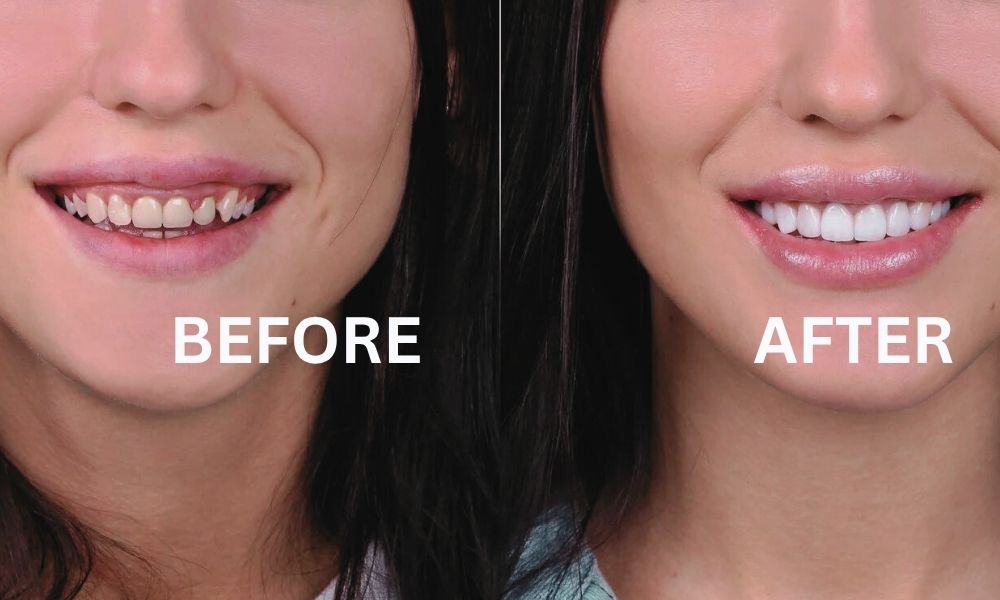
Common Problems with Canine Teeth
Before choosing a treatment, it’s important to understand the most common concerns patients have:
- Overly sharp or pointed canines
These can create a harsh or aggressive appearance, often referred to as “vampire teeth,” which many patients want softened. - Uneven height or size compared to surrounding teeth
When canines appear longer or shorter than adjacent teeth, it disrupts the balance of the smile. - Protruding or misaligned canines
Canines often erupt out of position due to lack of space, leading to crowding or a “sticking out” appearance. - Chipped, cracked, or worn edges
Damage from grinding, trauma, or aging can affect both function and aesthetics. - Discoloration or staining
Darker or yellow canines can stand out from the rest of the teeth, affecting overall smile brightness.
Cosmetic Treatments for Canine Teeth
1. Tooth Contouring (Reshaping)
Tooth contouring is a conservative cosmetic procedure that involves gently reshaping the enamel to improve the appearance of the tooth.
- Smooths sharp or overly pointed canines
The dentist carefully removes small amounts of enamel to soften the edges, creating a more natural and less aggressive look. - Creates a balanced and symmetrical smile line
By adjusting the length and angle of the canine, the smile appears more even and harmonious with surrounding teeth. - Quick, painless, and completed in a single visit
This procedure typically requires no anesthesia and provides immediate results with minimal downtime.
2. Dental Bonding
Dental bonding is a versatile and affordable cosmetic solution that uses tooth-colored resin to reshape and repair canine teeth.
- Repairs chips, cracks, and uneven surfaces
The resin material is sculpted directly onto the tooth to restore its natural form and smooth imperfections. - Improves symmetry and proportions of the smile
Bonding can add volume or reshape the canine to match adjacent teeth more closely. - Cost-effective and minimally invasive
Unlike veneers, bonding requires little to no removal of natural tooth structure, making it an accessible option for many patients.
3. Porcelain Veneers
Porcelain veneers are thin, custom-made shells that cover the front surface of teeth, offering a comprehensive cosmetic solution.
- Corrects shape, size, color, and minor alignment issues
Veneers allow complete control over the final appearance, making them ideal for smile makeovers. - Provides a natural, high-end aesthetic result
Porcelain mimics the translucency of natural enamel, creating a lifelike and attractive smile. - Durable and long-lasting solution
With proper care, veneers can last many years while maintaining their color and structure.
4. Orthodontics (Invisalign or Braces)
When canine teeth are significantly misaligned, orthodontic treatment is often the best solution.
- Repositions canines into proper alignment
This addresses crowding, protrusion, or rotation of the teeth. - Improves bite function and jaw balance
Proper alignment reduces strain on teeth and jaw joints, improving long-term oral health. - Enhances overall smile harmony
Straight teeth create a more uniform and aesthetically pleasing smile.
5. Dental Crowns (for Damaged Canines)
Dental crowns are used when a canine tooth is severely damaged or structurally compromised.
- Restores strength and structural integrity
Crowns fully cover the tooth, protecting it from further damage. - Improves shape, size, and appearance
Custom-designed crowns match the surrounding teeth for a seamless look. - Ideal for heavily worn, cracked, or treated teeth
Especially beneficial after procedures like root canals or severe enamel loss.
When to Consider Cosmetic Treatment
You should consider cosmetic treatment for your canine teeth if you experience:
- Noticeably sharp or pointed teeth that affect your smile appearance
- Uneven smile edges that make your teeth look unbalanced
- Canines that protrude or disrupt alignment
- Stains or discoloration that do not respond to whitening
- Difficulty biting or discomfort due to misalignment
Early evaluation allows for more conservative treatments and better long-term outcomes.
Final Thoughts
Cosmetic treatments for canine teeth go beyond improving appearance—they enhance function, balance, and overall oral health. Even small adjustments to the shape or alignment of canines can significantly improve how your smile looks and feels. Whether you need minor reshaping or a full smile makeover, modern dental techniques provide safe, effective, and long-lasting results tailored to your individual needs.