
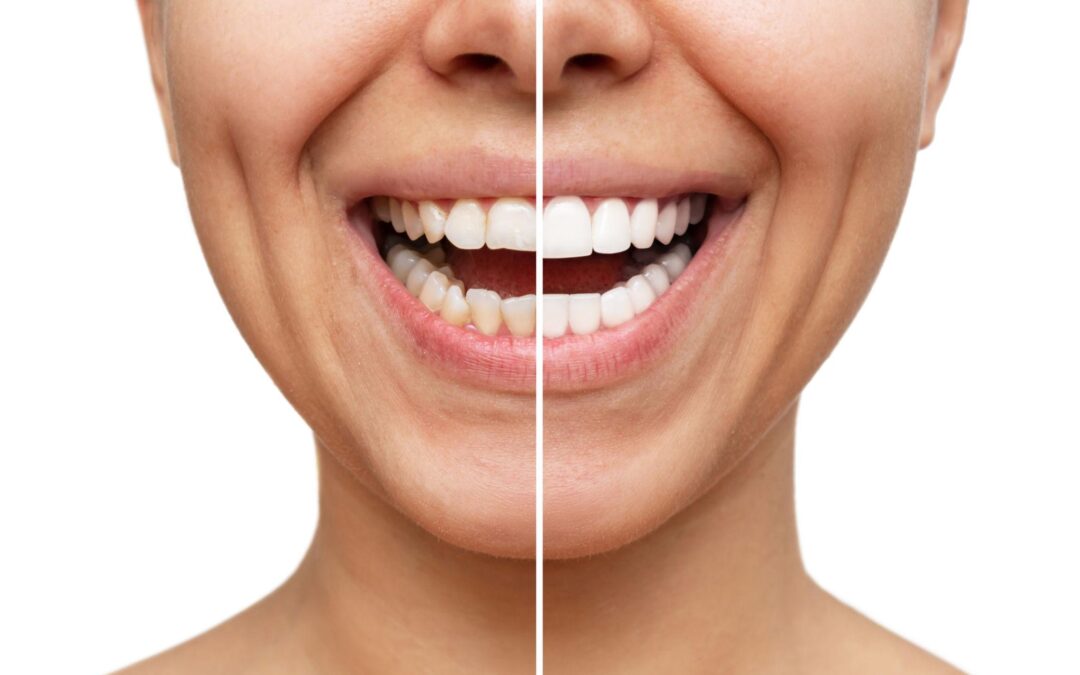
When crafted with expertise, Veneers in Dentistry can restore the natural beauty of your smile while protecting tooth structure and enhancing overall facial aesthetics. A smile is often the first thing people notice—and for many, it’s also the source of quiet insecurity. Discoloration that won’t fade, chipped edges, uneven spacing, or teeth that look worn down over time can make someone hesitate to smile freely. This is where dental veneers come in. Veneers are one of the most effective and popular cosmetic dentistry solutions for creating a natural, confident, and long-lasting smile. Veneers in dentistry are highly popular in Florida due to the state’s image-focused lifestyle and strong influence from media, fashion, entertainment, and social platforms, where a bright, balanced smile is essential.
This blog explains what veneers are, why deciding to get them is important, how dentists perform the procedure, and how veneers impact your smile and confidence.
What Are Dental Veneers?
Dental veneers are thin, custom-made shells, usually crafted from porcelain or composite resin, that are bonded to the front surface of teeth. Their purpose is to improve the color, shape, size, and overall appearance of teeth while preserving as much natural tooth structure as possible. Porcelain veneers are especially popular because they closely mimic natural enamel, resist stains, and reflect light in a very natural way.
Why the Decision to Get Veneers Is Important
Choosing veneers is not just about cosmetic change—it’s a long-term dental decision. Unlike whitening or bonding, veneers are a more permanent solution, so dentists carefully evaluate whether they are the right choice. Veneers in Dentistry are designed for patients who want more than whiter teeth—they want a confident, natural-looking smile that lasts.
Common Reasons People Choose Veneers
1. Stubborn Tooth Discoloration
Some stains cannot be corrected with whitening treatments, especially stains caused by medication, trauma, or internal tooth damage. Veneers cover these stains completely, creating a uniform and brighter smile.
2. Chipped, Cracked, or Worn Teeth
Everyday wear, teeth grinding, or minor accidents can cause teeth to look uneven or damaged. Veneers restore the original shape and protect the tooth surface.
3. Uneven or Misshapen Teeth
Teeth that are naturally small, short, or irregular can disrupt smile balance. Veneers help create proportion and symmetry.
4. Small Gaps Between Teeth
For mild spacing issues, veneers can close gaps without braces or aligners.
5. Mild Misalignment
When teeth are slightly crooked but not severe enough for orthodontics, veneers can visually align the smile.
Because veneers involve reshaping a small amount of enamel, the decision should be made after consultation with a dentist who evaluates bite, gum health, enamel thickness, and long-term goals.
The Hollywood Smile Effect on Cosmetic Dentistry in Florida
Florida’s strong connection to media, fashion, entertainment, and social media has played a major role in shaping modern beauty standards across the state. With influencers, professionals, and public figures frequently in front of cameras, a bright and balanced smile has become an essential part of personal image. The popular “Hollywood Perfect smile”—defined by white, symmetrical, natural-looking teeth—has set expectations for what a confident smile should look like. As a result, dental veneers have become one of the most requested cosmetic dentistry treatments in Florida, offering patients a fast, reliable way to achieve a polished, camera-ready smile that still looks natural and effortless.
How Dentists Perform the Veneer Procedure
The veneer process is precise, personalized, and carefully planned to ensure natural-looking results.
Step 1: Consultation & Smile Planning
The dentist begins with:
-
A full oral exam
-
Digital scans or impressions
-
Discussion of smile goals, tooth color, and shape
Some practices also use digital smile design to preview how the final smile will look.
Step 2: Tooth Preparation
A thin layer of enamel (usually 0.3–0.5 mm) is gently removed from the front of the tooth. This allows the veneer to sit flush and look natural—not bulky. This step is minimally invasive and typically painless.
Step 3: Impressions & Temporary Veneers
After preparation:
-
Impressions or digital scans are taken
-
Temporary veneers may be placed to protect the teeth
The final veneers are custom-made in a dental lab or, in some cases, created the same day using advanced technology.
Step 4: Bonding the Veneers
Once ready:
-
The dentist checks fit, color, and shape
-
Teeth are cleaned and etched
-
Veneers are bonded using strong dental cement
-
A curing light hardens the bond
Final adjustments ensure comfort and a natural bite.
How Veneers Impact Your Smile
Immediate Visual Transformation
Choosing Veneers in Dentistry means investing in a smile that looks natural, feels comfortable, and enhances both your appearance and self-confidence. Veneers can dramatically change:
-
Tooth color (brighter, whiter smile)
-
Tooth shape and symmetry
-
Overall facial harmony
Many patients notice a difference the same day their veneers are placed.
Natural Look and Feel
Veneers in Dentistry combine precision, artistry, and advanced dental care to transform worn, discolored, or uneven teeth into a naturally beautiful, confident smile. High-quality veneers are designed to:
-
Match natural enamel translucency
-
Reflect light like real teeth
-
Feel smooth and comfortable
Most people can’t tell veneers apart from natural teeth.
Long-Term Confidence Boost
Veneers in Dentistry offer a refined approach to smile transformation, correcting imperfections while preserving the natural look and feel of your teeth. Patients often report:
-
Smiling more in photos
-
Improved self-confidence
-
Greater comfort in social and professional settings
A confident smile can positively affect first impressions, communication, and self-esteem.
How Long Do Veneers Last?
With proper care:
-
Porcelain veneers last 10–15 years or longer
-
Composite veneers last 5–7 years
Good oral hygiene, regular dental visits, and avoiding habits like teeth grinding or biting hard objects help extend their lifespan.
Veneers vs. Other Cosmetic Options
-
Teeth Whitening: Best for mild discoloration, not permanent
-
Bonding: Less durable, better for small fixes
-
Crowns: Used when the tooth is structurally damaged
Veneers are ideal when you want cosmetic improvement with durability and minimal tooth removal.
Final Thoughts
Dental veneers are more than a cosmetic trend—they are a carefully planned dental solution that blends science, artistry, and personalization. When chosen for the right reasons and placed by an experienced dentist, veneers can create a smile that looks natural, feels comfortable, and boosts confidence for years. Veneers in Dentistry allow subtle yet powerful changes that elevate your smile, improve harmony, and leave a lasting impression without looking artificial. If you’re considering veneers, a professional consultation is the most important first step to determine whether they align with your dental health and long-term smile goals.