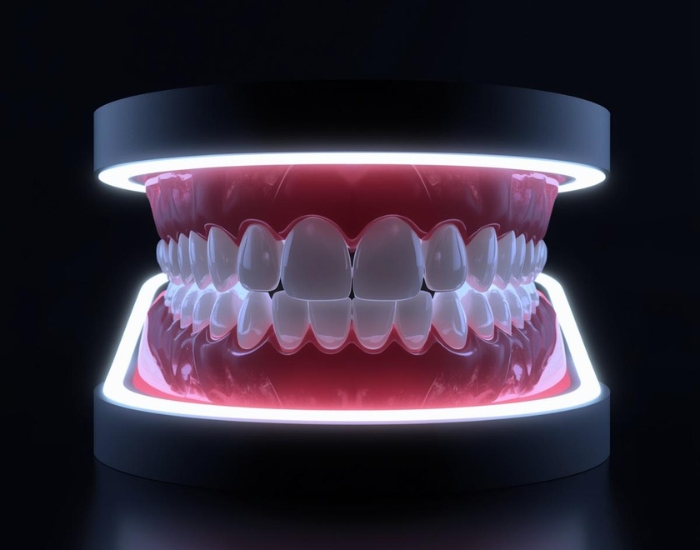

- Done properly, veneers do not ruin your teeth; preparation removes only a thin layer of enamel.
- Because enamel does not grow back, porcelain veneers are treated as a long-term commitment.
- Most problems come from poor planning, over-preparation or neglected home care, not from veneers themselves.
- Whitening, bonding and composite veneers are more conservative options worth discussing.
What Happens to Your Teeth When You Get Veneers?
When you get porcelain veneers, your dentist usually reshapes the front of each tooth slightly so the veneer can sit flush and look natural. The tooth itself is not removed. It remains the foundation that the veneer is bonded to.
The amount of preparation depends on your goals and the position of your teeth. Teeth that are already set back may need very little reduction, while teeth that stick out or are very discolored may need more. Your dentist will explain the plan for your case before any work begins.
With composite resin veneers, preparation is often more conservative because the material is added and shaped directly on the tooth. That flexibility is one reason some patients choose composite.
Are Veneers Permanent?
Porcelain veneers should be considered permanent. Because a thin layer of enamel is usually removed, the tooth will not look or feel the same without a covering. If a veneer ever needs replacing, a new veneer or another restoration takes its place.
That is not the same as being damaged. Many people with veneers keep healthy teeth for decades. It simply means veneers are a long-term decision, which is why careful planning matters so much.
Porcelain veneers can last up to 30 years with good care, and composite veneers can last up to 10 years. Read more in our guide to how long porcelain veneers last.
Planning your smile makeover?
Get a clear plan, quote and timeline for your teeth at a no-pressure consultation in Hollywood, FL, or start with a remote photo review if you live out of town.
Book a consultationWhy Do Some People Say Veneers Ruined Their Teeth?
When veneers cause problems, the cause is usually the planning or placement, not veneers themselves. These are the most common issues behind bad experiences:
Too much tooth reduction
Removing more tooth structure than needed can weaken teeth and increase sensitivity. A good plan aims to keep as much natural tooth as possible while still achieving your goals.
Veneers placed on unhealthy teeth
Placing veneers over active decay, cracks or gum disease can lead to problems underneath. Healthy teeth and gums should come first. This is why preparatory work, such as gum care or fillings, is sometimes needed before cosmetic treatment.
Poor fit at the edges
If a veneer does not seal well at the gumline, plaque can collect and lead to decay or irritated gums. Precise fitting and bonding help reduce this risk.
Bite problems
Veneers that do not match your bite can chip or put stress on teeth. Checking the bite carefully at the fitting visit is an important step.
Unrealistic shapes or shades
Some "ruined" smiles are really design problems: teeth that are too bulky, too long or too white for the face. Previewing your design first helps avoid this. Learn how it works on our smile design page.
How Can You Protect Your Natural Teeth With Veneers?
You protect your natural teeth by choosing a careful plan and caring for your veneers like natural teeth. Most of the long-term success of veneers comes down to these habits:
- Start with healthy teeth and gums. Treat cavities, cracks and gum problems before veneers.
- Preview your design. A digital smile design lets you see and approve your result before work begins.
- Brush and floss daily. Teeth under veneers can still decay at the edges, so cleaning matters.
- Wear a night guard if you grind. Grinding and clenching are hard on both natural teeth and veneers.
- Keep regular check-ups. Routine check-ups and cleanings help catch small issues early.
- Avoid using teeth as tools. Do not bite ice, open packages or chew pens.
Are There More Conservative Options Than Porcelain Veneers?
Yes. If you are worried about changing your natural teeth, there are more conservative options to discuss with your dentist.
- Teeth whitening can brighten natural teeth without changing their shape. See teeth whitening.
- Tooth bonding can repair small chips or gaps by adding material. See tooth bonding.
- Composite veneers are more affordable and often need less preparation, though they do not last as long as porcelain.
The right choice depends on what you want to change. A small chip may only need bonding, while a full change in color and shape is usually better suited to porcelain veneers.
Who Should Think Twice About Veneers?
Veneers are not right for everyone. You may want to pause and talk through alternatives if:
- You have active gum disease or untreated decay.
- You grind heavily and are not willing to wear a night guard.
- You want only a small change that whitening or bonding could handle.
- You are not comfortable with a permanent change to your teeth.
An honest consultation should include these conversations. Your dentist will confirm whether veneers are a good fit for you, or whether a simpler option makes more sense.
The Bottom Line
Veneers do not ruin teeth when they are planned conservatively, placed on a healthy foundation and cared for properly. The trade-off is that porcelain veneers are a lifelong commitment, so it is worth taking time to understand your options. If you are unsure, start with a consultation and ask your dentist to explain exactly how much preparation your case needs.
Frequently Asked Questions
Do veneers damage your teeth?
Veneers do not damage healthy teeth when they are planned and placed carefully. Problems usually come from too much tooth reduction, poor fit or placing veneers over untreated decay or gum disease.
Can veneers be removed later?
Porcelain veneers should be considered permanent because a thin layer of enamel is usually removed. If a veneer needs replacing, a new veneer or another restoration is placed.
Do teeth rot under veneers?
Teeth under veneers can still get cavities, usually at the edges near the gumline. Daily brushing, flossing and regular check-ups help prevent this.
Are composite veneers less damaging than porcelain?
Composite veneers often need less tooth preparation because the material is added directly to the tooth. They are more affordable but usually last up to 10 years, compared with up to 30 years for porcelain.
How do I know if veneers are right for me?
A consultation is the best way to find out. Your dentist checks the health of your teeth and gums, discusses your goals and explains whether veneers or a more conservative option makes sense.
Sources
- American Dental Association (ADA), MouthHealthy: veneers overview: mouthhealthy.org
- American Academy of Cosmetic Dentistry (AACD): patient education: aacd.com
- Hollywood Perfect Smile: practice-confirmed services, timelines and financing (Affirm and CareCredit), Hollywood, FL.
Ready to talk about your smile?
Book a consultation at Hollywood Perfect Smile, 6730 Taft St, Hollywood, FL 33024. We will review your goals, check your teeth and gums, and give you a clear plan and quote. Financing through Affirm and CareCredit is available for patients who qualify.